
Digestive Health Through Proper Cooking
Explore our comprehensive guide to cooking techniques, recipes, and nutritional insights that support optimal digestive wellness. Discover evidence-based approaches to meal preparation and ingredient selection.
The information on this site is for educational purposes only and does not constitute medical advice. Always consult a qualified healthcare professional before making health decisions.
Browse Our Content Library
Filter by topic to find articles, guides, and resources tailored to your digestive wellness journey. Each section contains practical information backed by nutritional science.
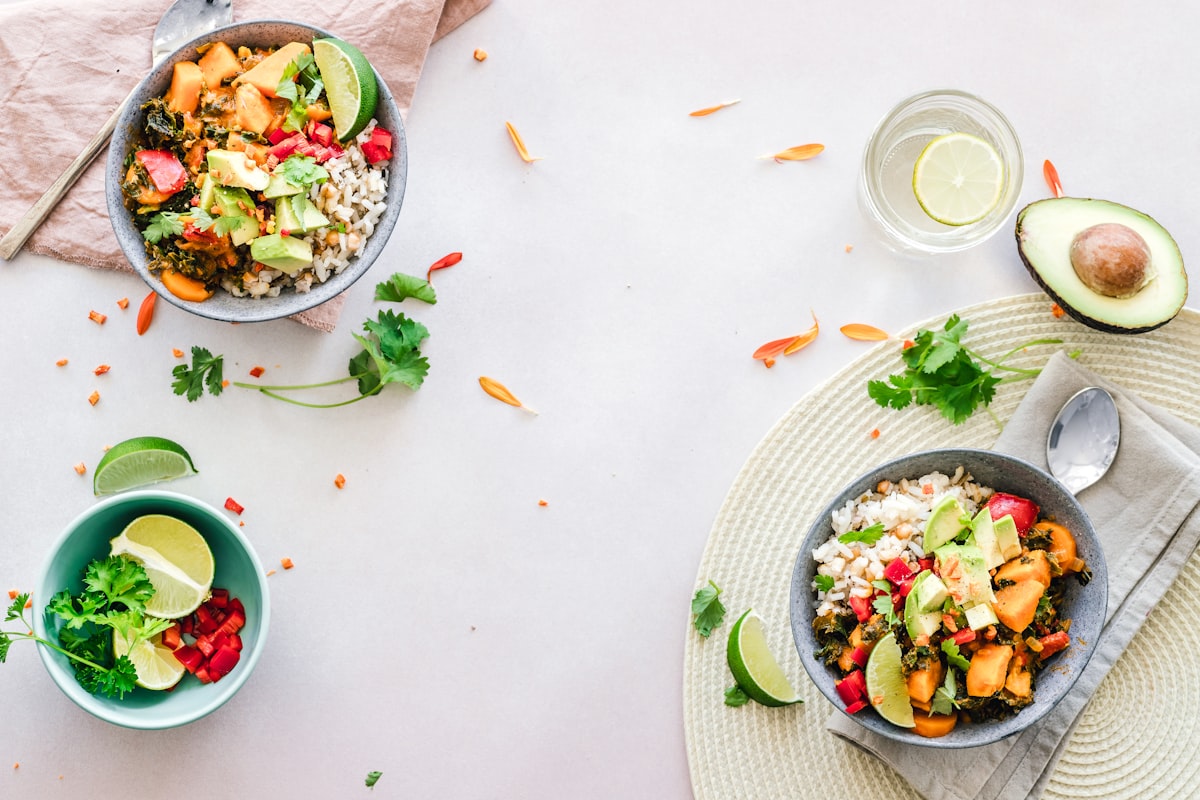
Steaming and Boiling Essentials
Learn how gentle heat cooking methods preserve nutrients while making foods easier to digest. Discover optimal times and temperatures for various ingredients to support your digestive comfort.
Discover Article
Slow Cooking and Braising
Explore how prolonged, low-temperature cooking breaks down food structures and reduces compounds that may challenge digestion. Perfect for creating tender, easily digestible meals.
Learn More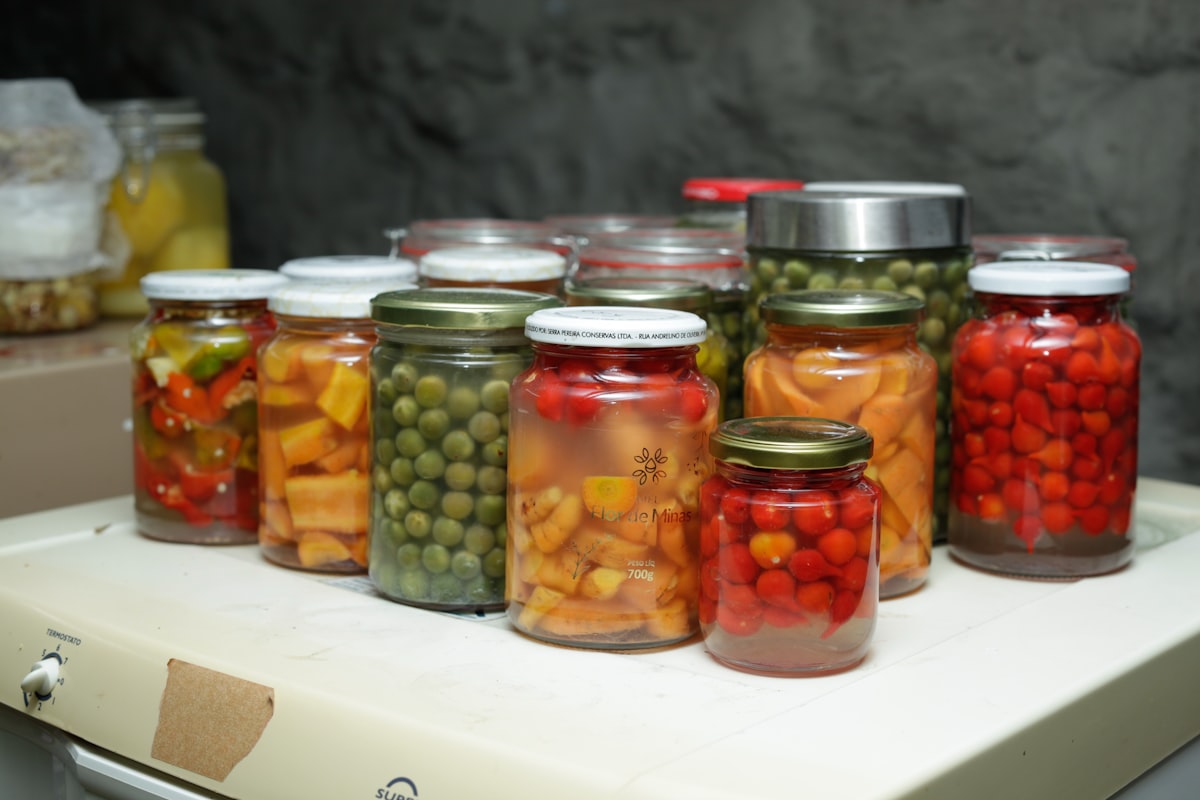
Sprouting and Fermentation
Understand how sprouting and fermentation activate enzymes and improve nutrient bioavailability. These ancient techniques transform foods into more digestible, nutrient-rich versions.
Read Full Guide
Blending and Pureeing Foods
Discover how mechanical processing through blending and pureeing reduces the digestive burden on your system. Learn which foods benefit most from this preparation method.
Explore Tips
Soaking Grains and Legumes
Learn the science behind soaking techniques that reduce cooking times and enhance digestibility. This simple step can significantly improve how your body processes plant-based proteins.
View Techniques
Smart Ingredient Selection
Understand which ingredients support digestive wellness and how to select, store, and prepare them properly. Comprehensive guidance on sourcing quality foods for optimal meal outcomes.
Read Selection Guide
Meal Timing and Portions
Discover how meal timing, portion sizes, and eating pace influence digestive function. Learn practical strategies for structuring your day around optimal digestive rhythm.
Discover Strategies
Essential Kitchen Equipment
Explore the tools and equipment that make digestive-friendly cooking easier and more effective. From steamers to fermentation vessels, learn what supports your wellness journey.
Browse EquipmentWhy Cooking Methods Matter for Digestion
The way you prepare food directly influences how your digestive system processes it. Different cooking techniques alter nutrient availability, reduce compounds that may challenge digestion, and transform food structure in ways that support wellness. Understanding these methods empowers you to make intentional choices in your kitchen.
From gentle steaming that preserves heat-sensitive nutrients to slow braising that breaks down tough fibers, each technique serves a purpose. Our comprehensive guides explore the science behind these methods so you can build a cooking style aligned with your digestive wellness goals.
Preserve Nutrients: Learn which cooking methods retain the most vitamins and minerals for optimal absorption.
Reduce Compounds: Understand how cooking techniques minimize substances that may cause digestive discomfort.
Enhance Digestion: Discover how proper preparation makes foods easier for your body to break down and utilize.
5-Step Guide to Digestive-Friendly Meal Prep
Plan Your Meals Around Digestion-Friendly Ingredients
Start by selecting whole foods known to support digestive wellness. Choose vegetables, fruits, proteins, and grains that align with your individual needs. Consider seasonal availability and quality sourcing for maximum nutritional benefit.
Prepare Ingredients with Proper Pre-Processing
Soak grains and legumes to reduce cooking times and improve digestibility. Wash vegetables thoroughly and remove skins when appropriate. Cut ingredients into uniform sizes for even cooking and optimal nutrient retention.
Choose Appropriate Cooking Methods
Select cooking techniques based on each ingredient's properties. Use gentle methods like steaming for delicate foods, slow braising for tougher cuts, and fermentation for grains and vegetables. Match the technique to your digestive wellness goals.
Monitor Cooking Times and Temperatures
Precise heat control ensures optimal food transformation. Avoid overcooking, which can destroy beneficial compounds, and undercooking, which may increase digestive strain. Use kitchen equipment to achieve consistent, gentle heat application.
Store and Serve With Intentionality
Proper storage preserves the quality of prepared meals. Serve foods at appropriate temperatures and pair complementary ingredients for enhanced digestion. Consider meal timing throughout your day to support your body's natural rhythms.
Essential Cooking Techniques for Digestive Wellness
Steaming
Uses gentle steam heat to cook foods without immersion in water. Preserves water-soluble nutrients and creates tender textures ideal for digestive comfort. Perfect for vegetables, fish, and delicate proteins.
Slow Braising
Combines low heat and moisture over extended periods to break down tough fibers and develop flavors. Creates highly digestible meals while maintaining nutrient content and food structure integrity.
Fermentation
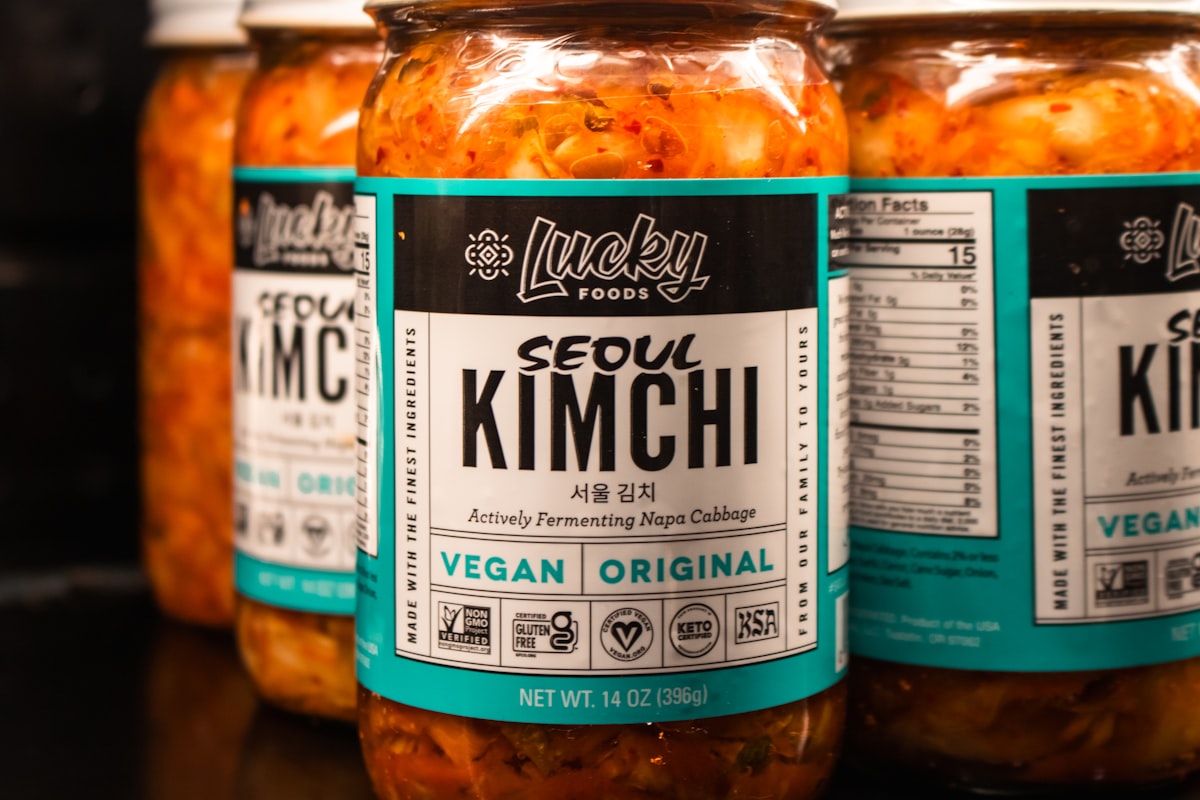
Activates beneficial enzymes and microorganisms that enhance nutrient bioavailability. Transforms grains, vegetables, and dairy into pre-digested forms that support digestive wellness and bacterial balance.
Sprouting
Awakens seeds and grains through moisture and temperature control to increase enzyme activity. Creates nutrient-dense foods with reduced antinutrients, making minerals and proteins more accessible to your digestive system.
Blending
Breaks down food structure mechanically to reduce digestive burden. Creates smooth textures that are ideal for sensitive systems while preserving nutrients. Enables absorption of whole foods in liquid form.
Soaking
Hydrates grains and legumes to reduce cooking time and improve digestibility. Removes compounds that can challenge digestion while activating enzymes and increasing nutrient availability for optimal absorption.
Common Cooking and Digestion Questions
How do different cooking methods affect nutrient content?
Each cooking method impacts nutrients differently. Steaming and gentle boiling preserve more water-soluble vitamins than high-heat methods. Raw foods offer certain enzymes, while cooked foods often have improved mineral bioavailability. The optimal method depends on the specific nutrient profile and your digestive needs.
What is the benefit of soaking grains before cooking?
Soaking activates natural enzymes and reduces compounds that can challenge digestion. It significantly shortens cooking time, which preserves more nutrients. The soaking water contains activated enzymes that further support your digestive process once you consume the prepared grain.
Can cooking improve food digestibility?
Yes, proper cooking breaks down food fibers and cell structures, making nutrients more accessible. Heat denatures proteins into forms your digestive system can process more efficiently. The key is selecting appropriate temperatures and durations to maximize digestibility without destroying beneficial compounds.
How does fermentation affect food digestibility?
Fermentation pre-digests foods through enzymatic and microbial action, breaking down complex compounds into simpler forms. It increases beneficial bacteria and enhances nutrient absorption. Fermented foods require less digestive effort from your body and support overall digestive wellness.
What is the ideal cooking temperature for digestive-friendly meals?
Generally, gentle heat (below 200°F/93°C) is ideal for preserving nutrients while improving digestibility. Steaming and slow braising use moisture to cook at lower temperatures. High-heat methods like roasting have their place but should be balanced with lower-temperature cooking throughout your weekly meal plan.
How does meal timing affect digestion?
Meal timing influences digestive efficiency and nutrient absorption. Eating at consistent times allows your body to optimize digestive secretions. Larger meals require more digestive effort, while smaller, more frequent meals may benefit some individuals. Consider your unique rhythm when planning meal timing.
Should food be blended or chewed thoroughly?
Both approaches support digestion. Thorough chewing breaks down food and mixes it with saliva, which contains beneficial enzymes. Blending mechanically accomplishes similar breakdown. The optimal approach depends on your digestive capacity and any sensitivities you may have to texture or form.
Are raw foods always better than cooked foods?
Both raw and cooked foods offer benefits. Raw foods contain heat-sensitive enzymes, while cooking can improve nutrient bioavailability and reduce digestive burden for some individuals. A balanced approach including both prepared and raw foods supports optimal wellness.
Success Stories from Our Community
"Discovering the steaming technique completely transformed how I prepare meals. I noticed immediate improvements in how my body responds to food. The articles helped me understand the science behind each method, and now I approach my kitchen with real intention and confidence."
Maria Rossi
Florence, Italy
"The fermentation guide gave me practical steps to incorporate this ancient technique into my modern kitchen. My whole family has noticed how much better we feel when eating fermented foods. This is real, actionable information that actually works."
Giovanni Marchetti
Milan, Italy
"I struggled with understanding which cooking methods would support my body best. The comprehensive guides in your content library explained everything clearly, from ingredient selection through preparation to final serving. My confidence in the kitchen has never been higher."
Alessandra Conti
Italy
Frequently Asked Questions
Find answers to common questions about Wellness Recipe Club