
Transform Your Health Through Proper Cooking
Discover how the right cooking techniques unlock digestive wellness and nutrient absorption for better overall health
The information on this site is for educational purposes only and does not constitute medical advice. Always consult a qualified healthcare professional before making health decisions.
Why Cooking Methods Matter for Digestion
The way you prepare your food has a profound impact on how your body processes and absorbs nutrients. Different cooking techniques affect the structure of proteins, the availability of minerals, and the ease with which your digestive system can break down meals.
Steaming, gentle poaching, slow cooking, and proper seasoning can significantly enhance digestive comfort. Raw and lightly cooked foods work well for some, while others find that slightly longer cooking times improve their overall wellness.
Our approach at Wellness Recipe Club focuses on teaching you which techniques work best for your body, how to preserve vital nutrients while ensuring foods are easy to digest, and why timing and temperature matter just as much as ingredients.
Explore Articles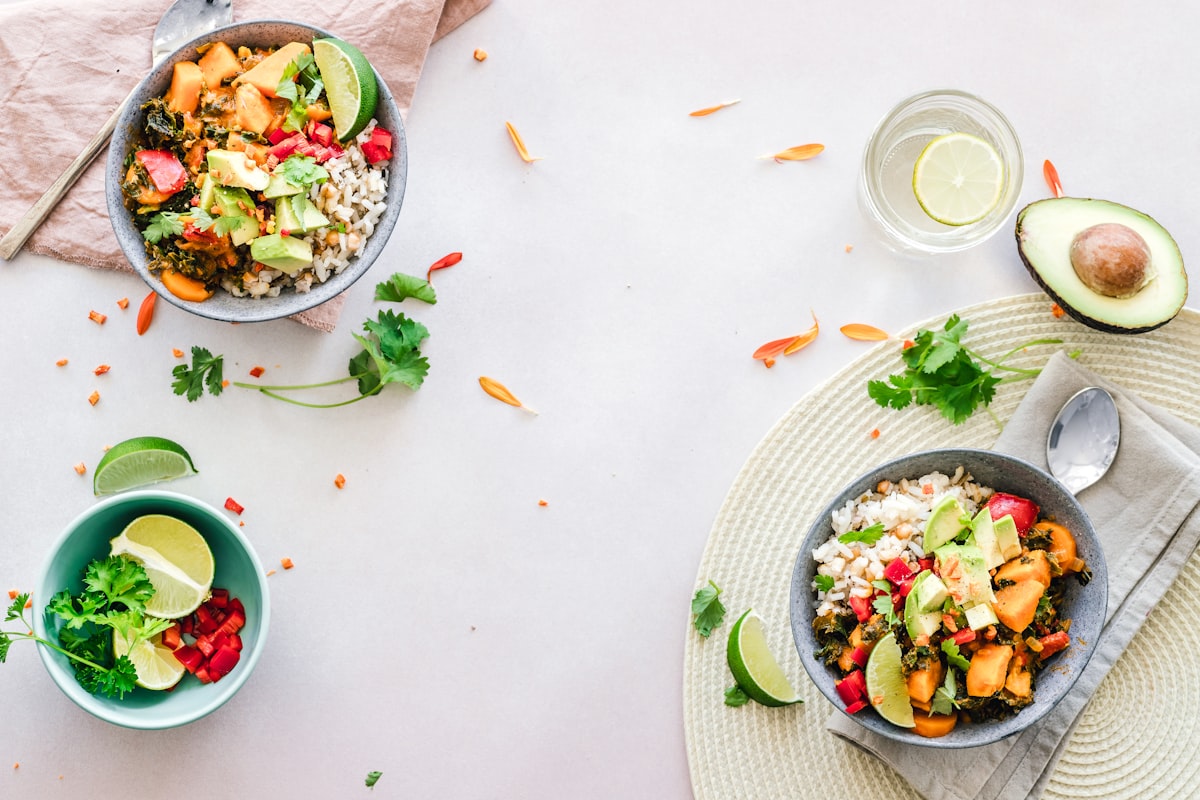
Key Features of Digestive-Friendly Cooking
Temperature Control
Mastering the right temperature for each food type prevents nutrient loss while ensuring thorough cooking. Low-and-slow methods preserve enzymes and heat-sensitive vitamins, while proper high-temperature techniques create beneficial compounds that support digestive function.
Moisture Retention
Cooking methods that preserve natural moisture in foods make them easier for your digestive system to process. Steaming, braising, and poaching keep foods hydrated and tender, reducing the workload on your stomach and promoting optimal nutrient extraction.
Nutrient Bioavailability
Strategic cooking techniques make minerals, vitamins, and phytonutrients more accessible to your body. Light cooking breaks down cell walls in vegetables, making carotenoids and minerals more absorbable, while cooking legumes and grains reduces compounds that may interfere with digestion.
Texture Optimization
The right texture makes all the difference in digestive comfort. Foods that are appropriately soft yet retain their structure require less effort to chew and digest. We teach techniques that create the ideal texture balance for your individual needs.
Flavor & Digestion Balance
Proper seasoning and flavor development naturally support digestive function. Herbs and spices used correctly enhance both taste and your body's ability to break down food. We show you how traditional cooking wisdom and modern nutrition science align perfectly.
Timing & Preparation
When and how you cook matters as much as the method itself. Proper soaking, marinating, and cooking times unlock maximum digestive benefit. We provide detailed guidance on prep schedules and cooking windows to optimize every meal you create.
5-Step Guide to Digestive-Friendly Cooking
Select High-Quality Whole Ingredients
Start with fresh, whole foods that are minimally processed. Choose produce at peak ripeness, quality proteins, and whole grains. The better your starting ingredients, the more your cooking technique can enhance their digestive benefits. Avoid refined and heavily processed foods that require compensatory cooking techniques.
Prepare Mindfully and Properly
Soak grains and legumes to reduce compounds that interfere with nutrient absorption. Cut vegetables into appropriate sizes to ensure even cooking. Allow foods to come to room temperature before cooking when possible. Proper preparation sets up your cooking technique for success and ensures digestive comfort.
Choose the Right Cooking Method
Match your cooking technique to your ingredients and your body's needs. Steaming and gentle simmering work best for delicate vegetables. Braising and slow cooking suit tougher cuts and grains. Light pan-searing creates beneficial compounds while keeping foods digestible. Baking with moderate heat preserves nutrients beautifully. Each method serves a purpose in supporting digestive wellness.
Season and Enhance Thoughtfully
Use herbs and spices not just for flavor but for digestive support. Ginger, turmeric, cumin, and fennel have traditional wellness properties. Add fresh herbs at the end of cooking to preserve their qualities. Balance flavors to make meals enjoyable—foods we savor are processed more efficiently by our digestive systems.
Plate and Serve with Care
Present meals at appropriate temperatures and portion sizes. Serve immediately to preserve warmth and texture. Create balanced plates with variety to support different aspects of digestion. Eat mindfully and chew thoroughly. The final presentation matters because how we eat influences how well our bodies process food.
Cooking Methods Compared
| Method | Best For | Digestive Benefits | Nutrient Retention |
|---|---|---|---|
| Steaming | Vegetables, fish, dumplings | Gentle on digestion, maintains water content | Excellent—minimal nutrient loss |
| Braising | Tough cuts, root vegetables, grains | Breaks down tough fibers, creates collagen-rich liquid | Very good—long cooking unlocks minerals |
| Simmering | Soups, broths, stews, legumes | Creates easily absorbed nutrient broth, softens foods | Very good—nutrients transfer to liquid |
| Light Pan-Searing | Vegetables, proteins, quick meals | Moderate—brief, controlled cooking | Good—retains structure and nutrients |
| Baking | Root vegetables, whole grains, proteins | Gentle, even cooking, natural caramelization | Good—dry heat preserves many nutrients |
| Raw/Minimal Heat | Salads, smoothies, certain fruits | Best for enzymes, challenges some digestive systems | Excellent—no heat loss, but less bioavailable |
Recipes That Support Digestive Wellness
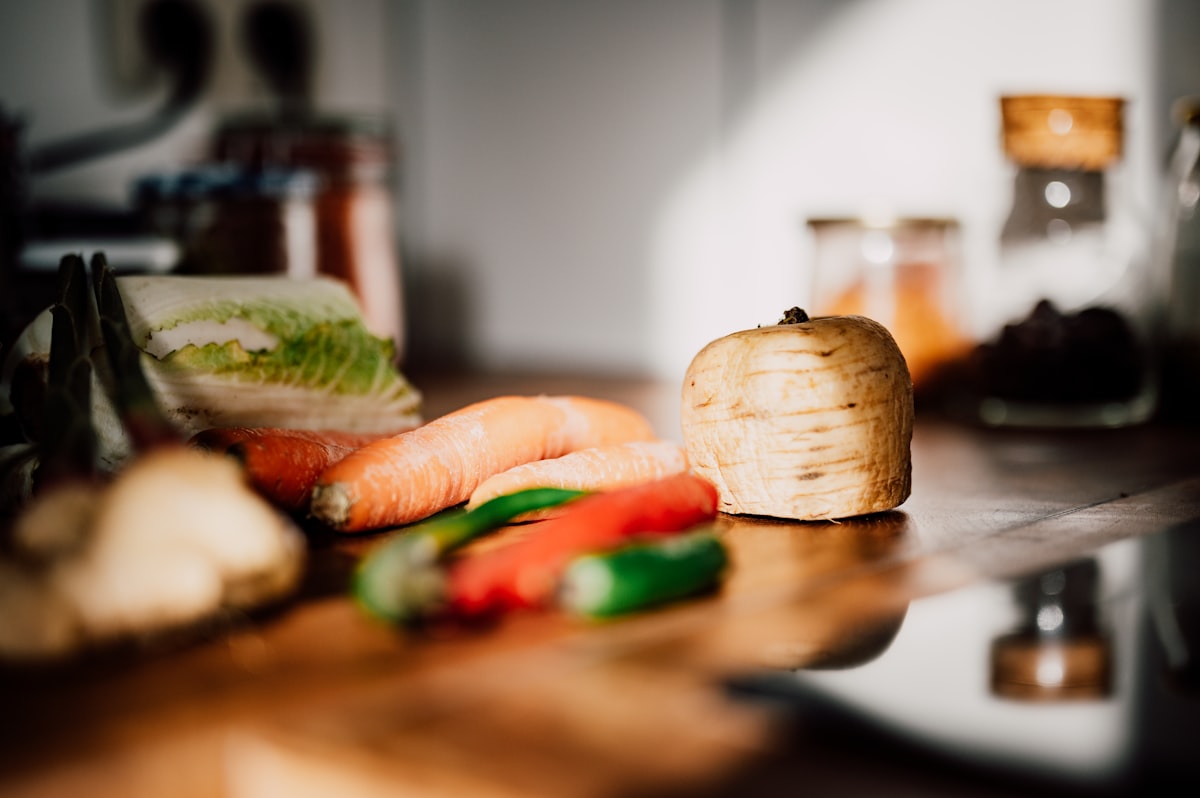
Gentle Vegetable Broth
A simple, nutrient-rich broth made with mild vegetables simmered gently. Perfect for when your digestive system needs support, or as a base for other dishes.
Learn More →
Steamed White Fish with Herbs
Delicate white fish steamed with gentle seasonings to preserve all nutrients while keeping the protein easily digestible. Pairs beautifully with soft vegetables.
Learn More →
Slow-Cooked Lentil Stew
Lentils braised slowly with vegetables until tender and creamy. Long, gentle cooking breaks down hard-to-digest compounds while creating a satisfying, nourishing meal.
Learn More →
Baked Sweet Potato with Spices
Sweet potatoes slowly baked with turmeric and ginger. The gentle heat creates a creamy texture while the spices naturally support digestive comfort and nutrient absorption.
Learn More →
Steamed Vegetable Medley
A colorful mix of gently steamed vegetables with light seasoning. Each vegetable is cooked just until tender, preserving nutrients and making them easy for your body to process.
Learn More →
Bone Broth with Turmeric
Simmered slowly for hours to extract collagen and minerals. Turmeric adds anti-inflammatory properties. A warming, easily absorbed meal that supports your entire digestive system.
Learn More →Real Stories from Our Community
"Learning about proper cooking techniques completely changed how I feel after eating. I used to think my body simply couldn't tolerate certain foods, but once I started using the right cooking methods, everything shifted. I feel I have more consistent energy throughout the day. The recipes from Wellness Recipe Club taught me that it's not always about what you eat—it's about how you prepare it."
Marco Rossi
Florence, Italy
"I finally understand why steaming vegetables instead of boiling them makes such a difference. The whole approach is so logical and based on real science. My digestion has improved dramatically, and I actually enjoy cooking now instead of dreading meal prep."
Giulia Moretti
Rome, Italy
"The braising techniques have been a game-changer for my family. Everyone is eating better, feeling fuller longer, and we're all noticing improvements in how we feel throughout the day. This isn't complicated—it's just smart cooking."
Alessandro Bianchi
Milan, Italy
"I was skeptical at first, but after just two weeks of following the cooking guidelines, I noticed real changes in my comfort and energy levels. The articles explain everything so clearly. I recommend this to everyone."
Francesca Rossi
Venice, Italy
Common Questions About Cooking for Digestion
Does cooking destroy nutrients?
The short answer is: it depends on the method and duration. While some heat-sensitive vitamins like vitamin C can decrease with prolonged cooking, many nutrients actually become MORE available to your body through proper cooking. For example, cooking tomatoes increases lycopene availability. The key is choosing the right method for each food—steaming delicate vegetables preserves more nutrients than boiling, while slow cooking legumes makes minerals more absorbable. Balance is essential.